
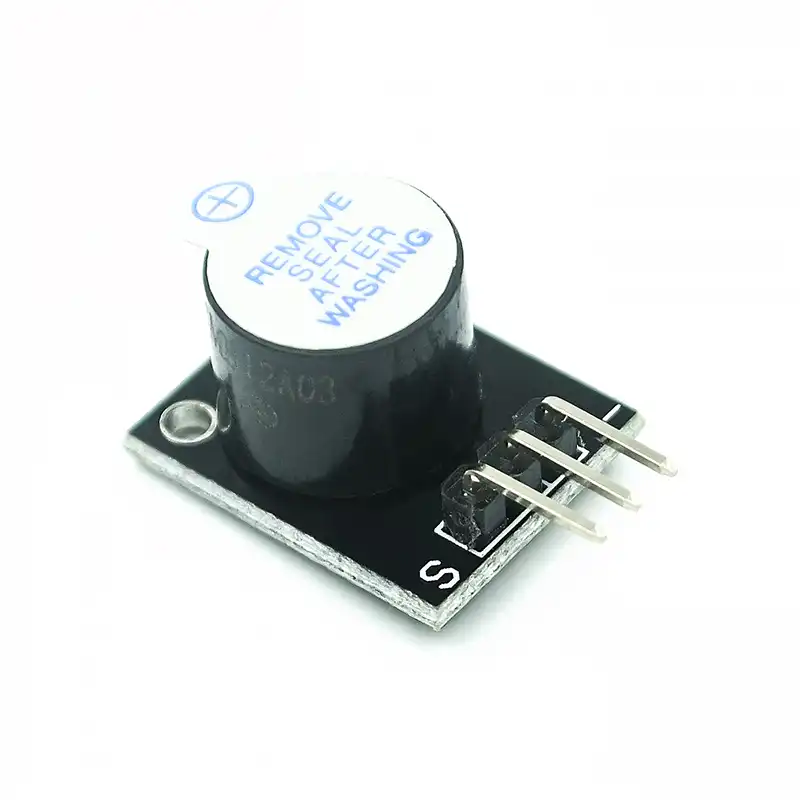
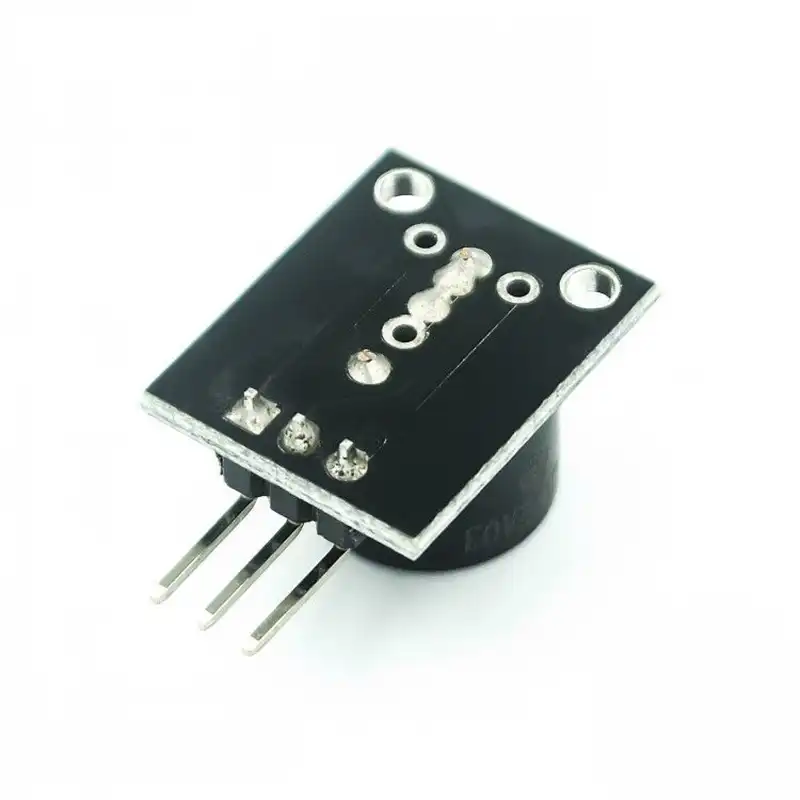

1. Introduction to this 5V Buzzers
1.1 Functions of Buzzers
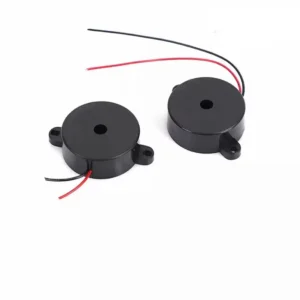
A buzzer is an integrated electronic sound transducer powered by DC voltage. It is widely used as sound-generating components in electronic products including computers, printers, copiers, alarm devices, electronic toys, automotive electronic equipment, telephones and timers.
1.2 Classification of Buzzers
This 5v buzzer module fall into two core categories: piezoelectric buzzers and electromagnetic buzzers.
1.3 Circuit Symbol of this Buzzer Module
In circuit diagrams, buzzers are marked with the letter “H” or “HA” (legacy standards adopted labels such as FM, LB and JD).
Schematic Diagram of Buzzer
2. Structure & Operating Principle of Buzzers
2.1 Piezoelectric Buzzer
A piezoelectric buzzer mainly consists of a multivibrator, piezoelectric sounding plate, impedance matching device, resonant cavity and outer housing. Some models are equipped with light-emitting diodes on the casing.
The multivibrator is built with transistors or integrated circuits. After DC power (operating voltage: 1.5V–15V) is connected, the multivibrator oscillates and outputs audio signals at 1.5–2.5kHz. The impedance matching unit drives the piezoelectric plate to produce sound.
The piezoelectric sounding plate is manufactured from lead zirconate titanate or lead magnesium niobate piezoelectric ceramic. Silver electrodes are plated on both sides of the ceramic wafer. After polarization and aging treatment, the ceramic wafer is bonded to a brass or stainless steel sheet.
2.2 Electromagnetic Buzzer
An electromagnetic buzzer comprises an oscillator, electromagnetic coil, permanent magnet, vibrating diaphragm and housing.
When powered on, audio signal current generated by the oscillator flows through the electromagnetic coil to create a magnetic field. Under the mutual magnetic force between the coil and magnet, the diaphragm vibrates periodically to generate sound.
3. Homemade Buzzer Fabrication Steps of this 5v buzzer module
- Fabricate Electromagnet M: Wind 100 turns of wire around a 6cm iron bolt; reserve 5cm wire ends as leads. Secure the coil with transparent adhesive tape to prevent unwinding, then fix the assembly onto a small box with tape to complete the electromagnet.
- Fabricate Spring Strip P: Cut a 2cm-wide long iron strip from an iron can and bend it into a right angle. Connect one lead of the electromagnet to the spring strip, then fasten the strip tightly to a wooden board with tape.
- Make Contact Q with a paper clip: Prop up the paper clip with a book and fix it with tape; attach an outgoing wire to the clip, then wire up the circuit as illustrated.
- Adjust the gap between electromagnet M and spring strip P by shifting the box to ensure the electromagnet can attract the spring strip. Tune the clearance between contact Q and spring strip P until they make proper contact. A buzzing sound will be produced once the circuit is energized.
4. Active vs Passive Buzzers: Identification Guide
Miniature buzzers available on the market feature compact size (11mm diameter), lightweight design, low cost and robust structure, making them prevalent in sound-generating appliances, electronic DIY projects and MCU circuits.
Visual Differentiation of 5v buzzer module
The two types appear similar at first glance, yet they differ slightly in height:
- Active buzzer (Model a): 9mm in height
- Passive buzzer (Model b): 8mm in height
When placing both buzzers with pins facing upward:
- Passive buzzers carry a green circuit board inside;
- Active buzzers are fully sealed with black glue without an exposed circuit board.
Multimeter Testing Method to this 5v buzzer module
Set the multimeter to the ×1 resistance range:
Connect the black probe to the “+” pin of the buzzer, then tap the other pin repeatedly with the red probe.
- Passive buzzer: Produces crisp clicking sounds with a resistance reading of 8Ω or 16Ω;
- Active buzzer: Emits continuous buzzing sound with resistance measured at several hundred ohms or higher.
Working Characteristics of this 5v buzzer module
- Active buzzers generate continuous sound immediately when connected to their rated voltage (rated voltage labeled on new buzzers);
- Passive buzzers function identically to electromagnetic speakers and must be connected to an audio output circuit to produce sound.
How to order this 5v module?
If you only interested this single product, you can directly place order online to this 5v buzzer module, however, if you also interested with other electronic parts, contact Cmxelcs to get quotation online via whatsapp.


Reviews
There are no reviews yet.